

Change compared with 31 December 2024: suckler cows ▼ −50 / −1.2% (was 4,342), total animals ▲ +133 / +1.2% (was 10,724).
The Limousin originates from the Limousin and Marche regions of central France, where the cattle were kept outdoors all year round in a harsh climate and used both as draught animals and for beef. The herd book was founded in 1886; the breed began to spread more widely around the world in the 1960s and today Limousins are raised in more than 70 countries.
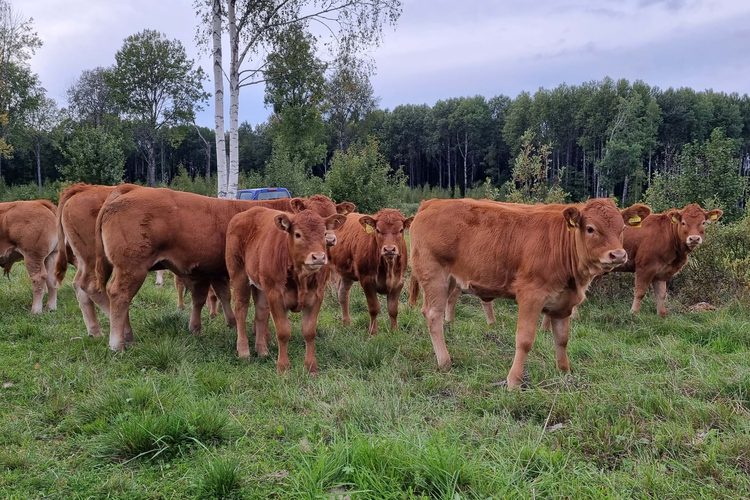
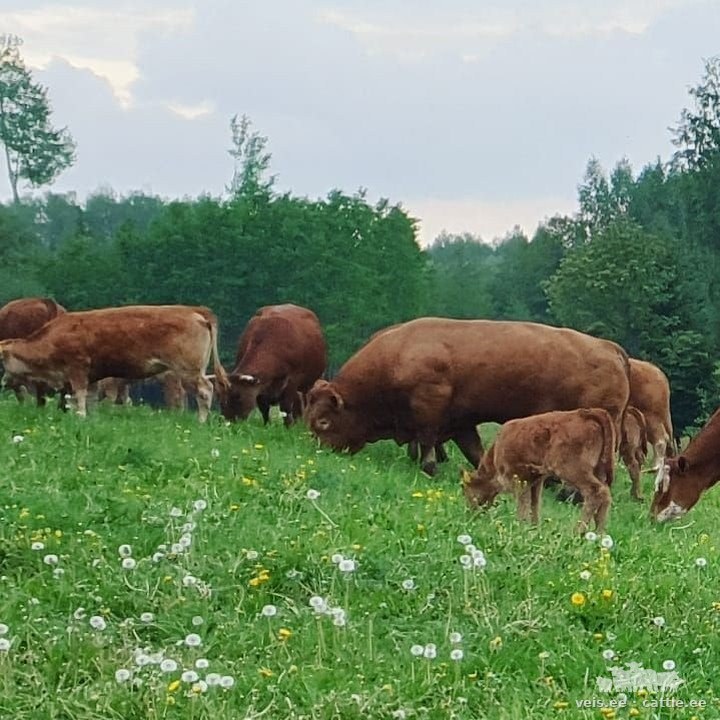
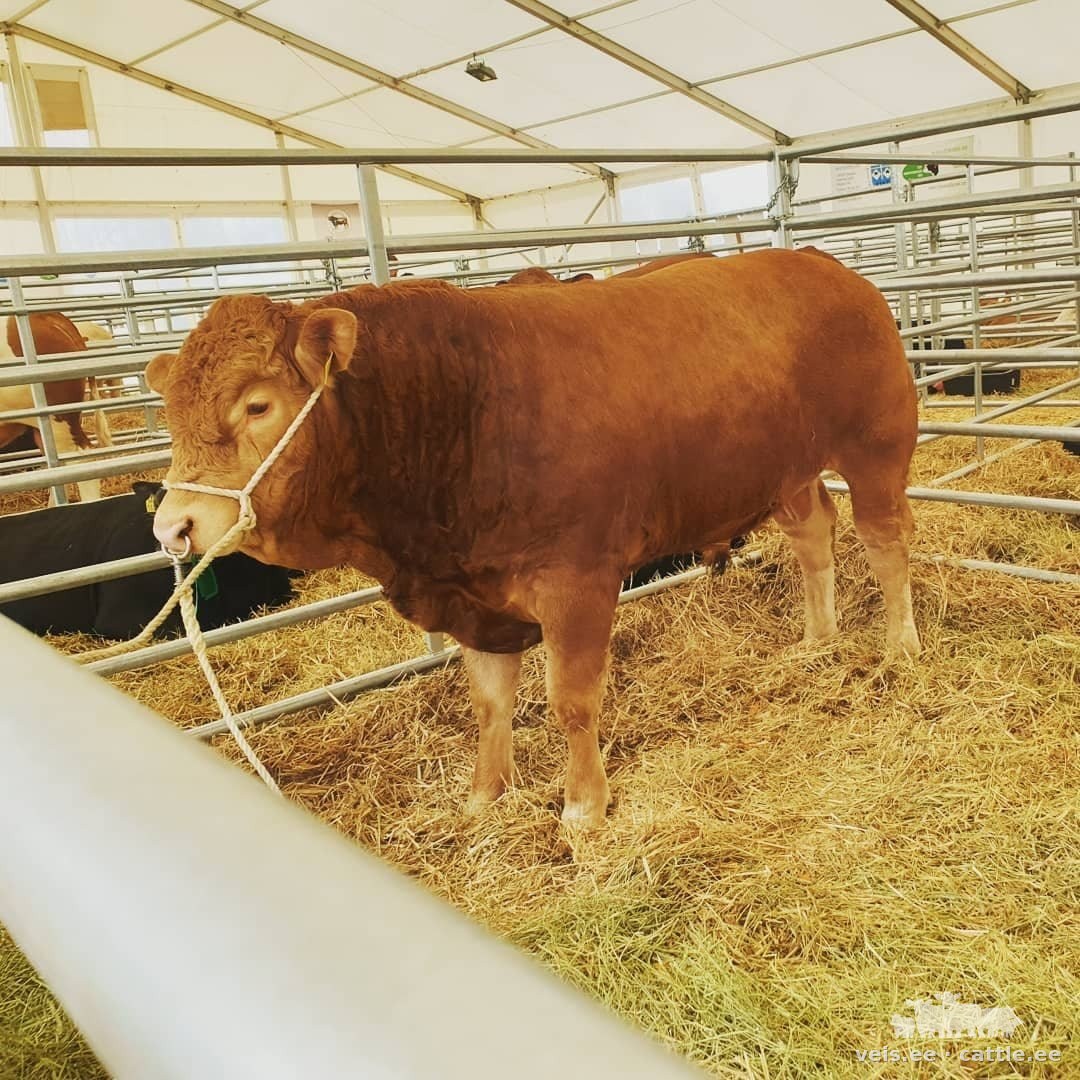
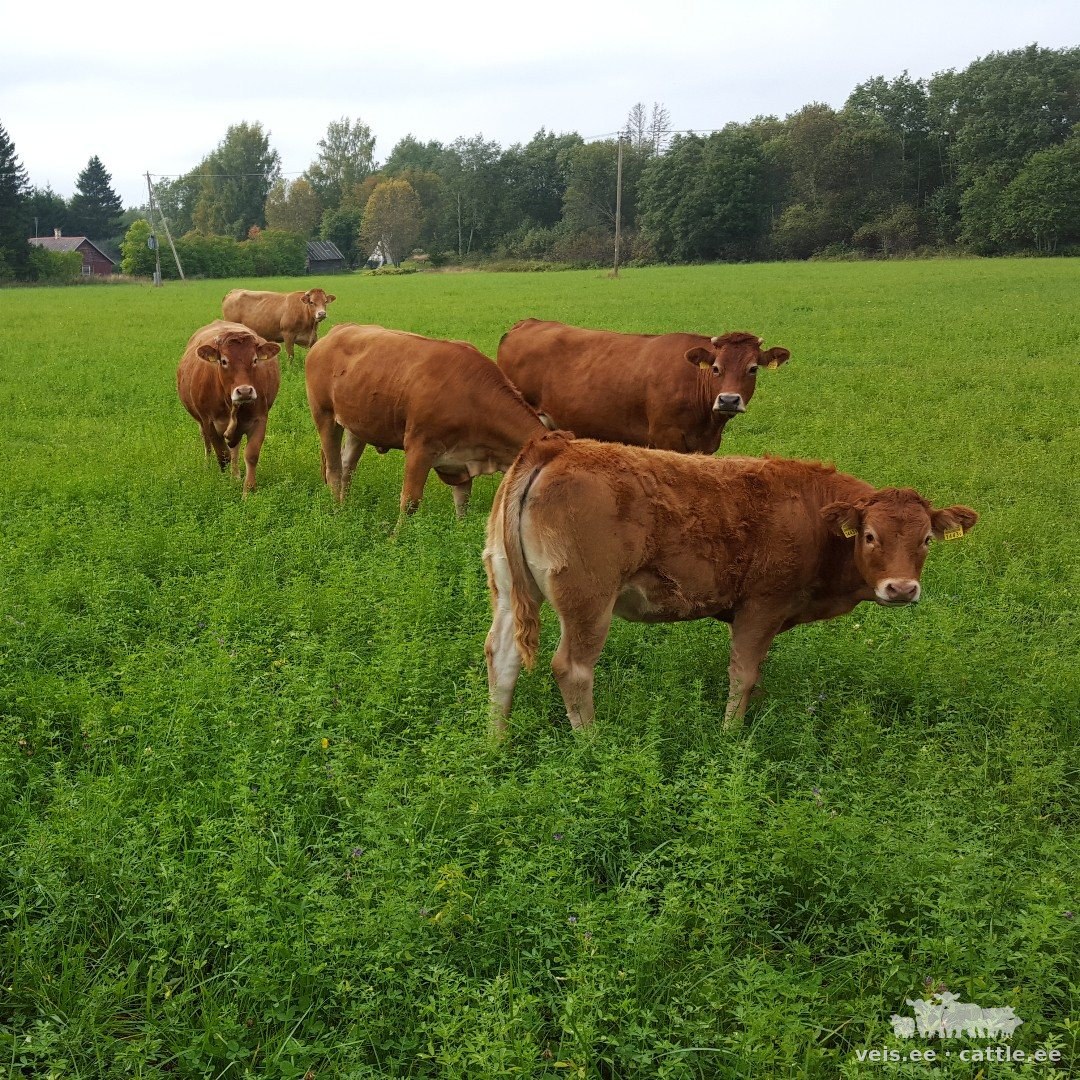
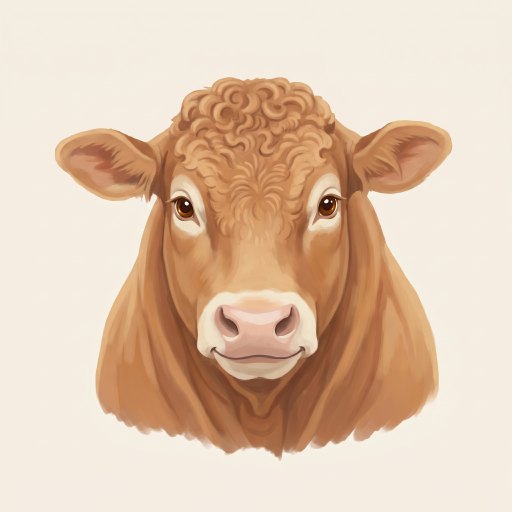
The breed is medium to large in size, golden brown to reddish brown in colour, with lighter rings around the eyes and a lighter muzzle and legs. The body is long, the back broad and the muscles very well developed, while the bone structure is relatively fine. In addition to horned animals, polled lines have also been bred. The wide, long pelvis favours calving, and the cows are good mothers with enough milk to rear a calf.
The main strengths of the Limousin are a high dressing percentage, a high proportion of lean meat and good feed efficiency. The beef is lean, tender and fine-fibred. Muscling is highly heritable, which is why Limousin bulls are also widely used in crossbreeding. The breed is suited to both pasture and indoor housing; attention should be paid to the handling of young animals, as some animals can be temperamental.
Limousin breeding in Estonia was founded in 1995, when the Karistu training farm brought the first heifers and a bull from Finland. This was the start of one of the largest beef herds in Estonia.
Key facts
- Origin: France, Limousin
- Body weight: cows 650–850 kg, bulls 1000–1200 kg
- Colour: golden brown to reddish brown; horned or polled
- Strengths: very good muscling, high dressing percentage (up to 65%), lean beef
- In Estonia since: 1995